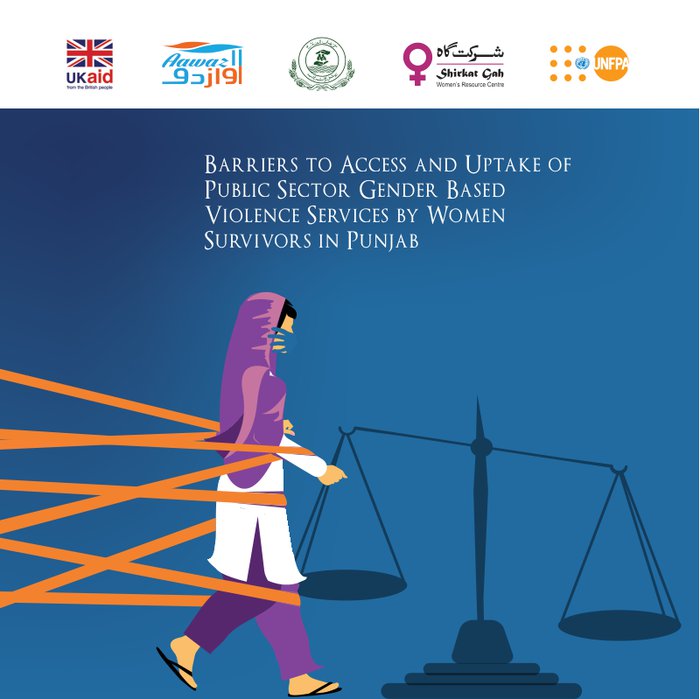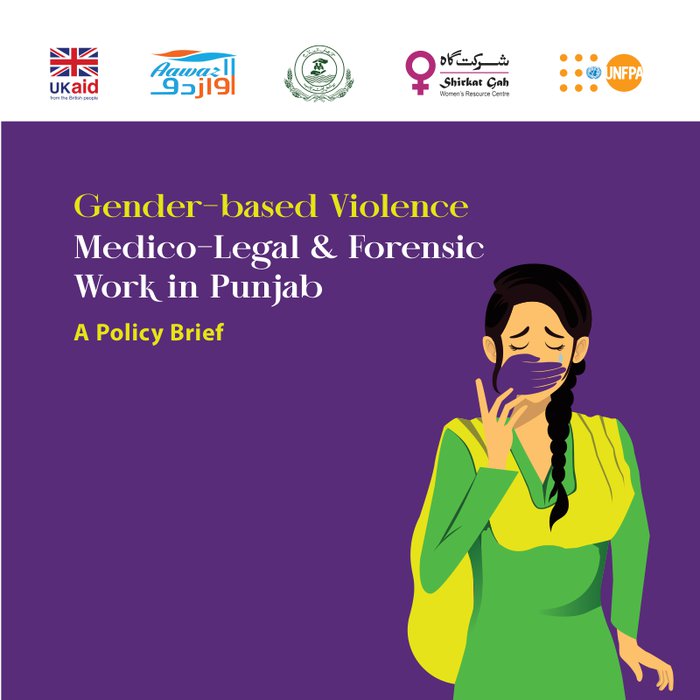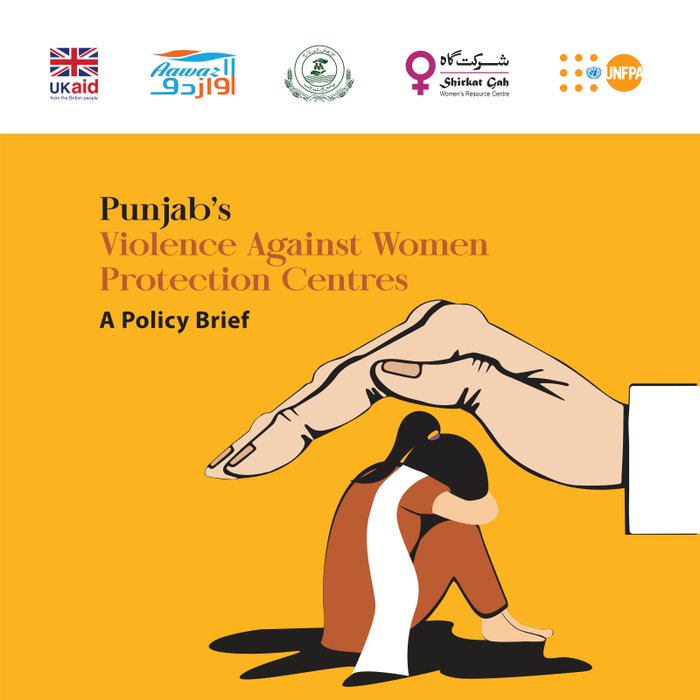
Explore research, evidence, learning products and other resources generated through the Aawaz II programme in Pakistan.
The Aawaz II programme in Pakistan, supported by the UK Foreign, Commonwealth and Development Office (FCDO), during 2017 – 2027, aimed to increase voice, choice, and control for women, girls, boys, youth, religious minorities, and marginalised groups; protect them from exploitation; and prevent discrimination and intolerance. The programme prioritised child and forced marriages, gender-based violence, child protection, discrimination, and intolerance.
The programme was implemented by a consortium including the British Council, CARE International, UNICEF, UNFPA, UNDP, and Oxford Policy Management (OPM), which was in charge of the Independent Feedback, Operational Reviews and Monitoring (I-FORM) component.
Aawaz II programme operated across two fronts: the supply side, which focused on institutional development through policy reforms and capacity building of relevant institutions; and the demand side, which centred on grassroots-level awareness raising and community support.
Learn more about the programmeThe programme operated across diverse pathways:
Ensured policies for marginalised groups align with international standards.
Strengthened government institutions and legislative frameworks, including efforts to advance the rights of children, women, girls, transgender persons, and PWDs.
Targeted measures to shift awareness, attitudes, and behaviours regarding discrimination, exploitation, and harmful practices. Community engagement included 226 Aawaz Aagahi Centres (AACs), 452 Village Forums, and over 1,400 Change Agents, resulting in tangible outcomes like 92 prevented child marriages and 480 GBV cases addressed.
Enhanced engagement and robust referral mechanisms that promote social cohesion and tolerance. The programme has established referral pathways to connect marginalised groups with social services, supported 61,893 people to access state services, and helped 34,195 persons with disabilities receive official certificates.
Established safe digital spaces and combating online hate, including training 150 youth in digital literacy and 95 government officials to counter online hate speech.
Throughout the programme lifecycle, Aawaz II programme through OPM maintained a central programme dashboard bringing together documentation and evidence from the programme and its implementing partners. This section offers a curated collection of key reports, learning products and other resources from the dashboard, ensuring continued access to the programme’s evidence, learning and resources beyond the programme’s closure.
Explore the learning products and other resources generated through Aawaz II.